These students became startup founders in 8 weeks. Here’s what they learnt
JUN 29, 2026 | 7-MIN READ
Government officials will never ask you to transfer money or disclose bank log-in details over a phone call.
Call the 24/7 ScamShield Helpline at 1799 if you are unsure if something is a scam.


MAY 15, 2026 | 7-MIN READ
Not all space stories are set in space. Some take place in the most unexpected settings – like Ang Mo Kio, where, next to a friendly neighbourhood coffeeshop, an 11,000 sqm facility assembles satellite systems for launch.
Not prototypes. Actual satellites.
Another surprising story – Singapore’s been playing the space game for
over 50 years. During that time, we’ve sent more than 30 satellites into
orbit. And our journey is about to get even more exciting.
But let’s start from the beginning. A long time ago…
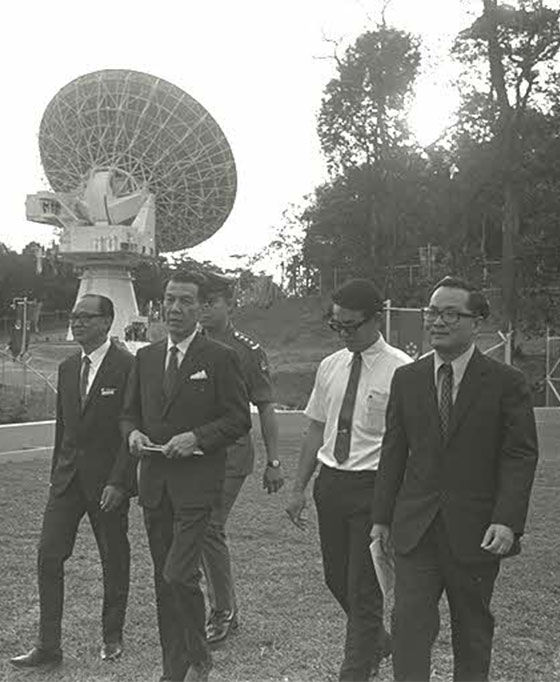
Singapore’s space story began, of all places, in Sentosa, the site of our very first satellite earth station (SES) – essentially a giant communications hub that sends and receives signals to satellites to improve connectivity between Singapore and the world.
For Singaporeans, the opening of our SES meant that they could watch the 1974 FIFA World Cup Final live – the first time the World Cup was broadcast live in the country.
For Singapore, it meant that we had officially – and modestly – started a long-distance relationship with space.
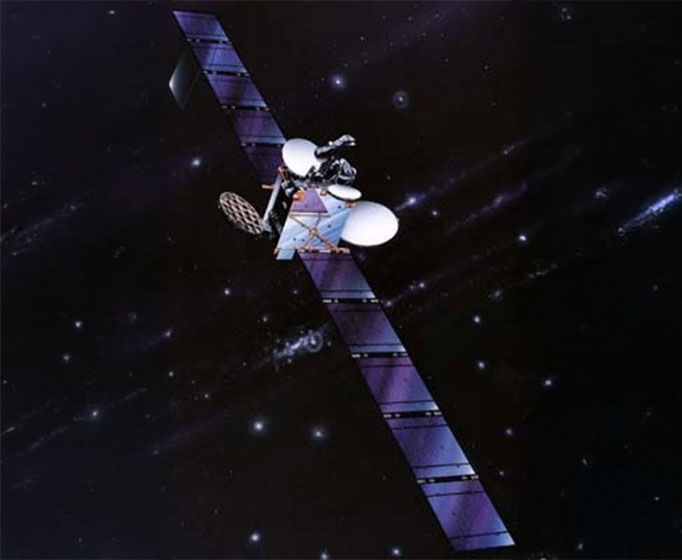
Almost thirty years after we opened our first ground-based station, Singapore became the proud owner of space-based assets when we launched ST-1, our first communications satellite. It provided direct-to-home broadcast, internet, and telecommunication services.
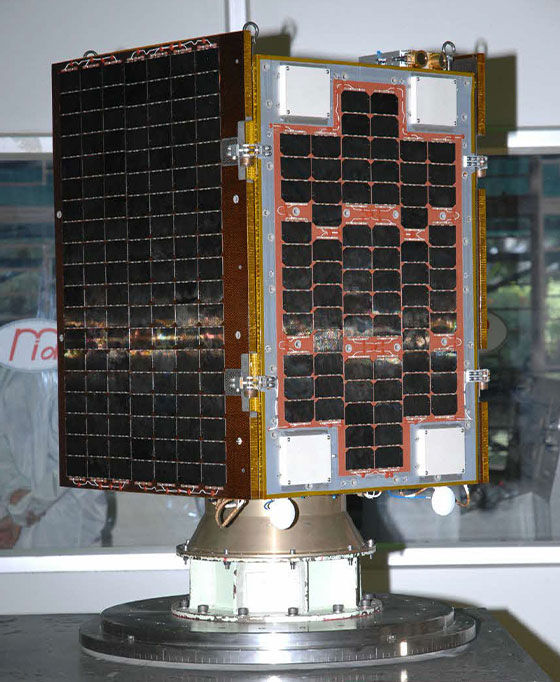
Singapore celebrated a major milestone with X-SAT (which stands for eXperimental Satellite), the first satellite designed and built locally.
Used to take images of Earth and monitor environmental changes, X-SAT’s smaller size and proximity to the Earth’s surface meant faster data transmission at lower cost.
In essence, Singapore moved up the space value chain – from using space technology to creating it.
The Office for Space Technology & Industry (OSTIn) was established – a sign of our growing participation in space. Initially a two-person office driving the development of small satellite capabilities and new sensor technologies, OSTIn’s mandate would expand by 2020 to develop Singapore’s space industry, foster innovation, and grow international partnerships.
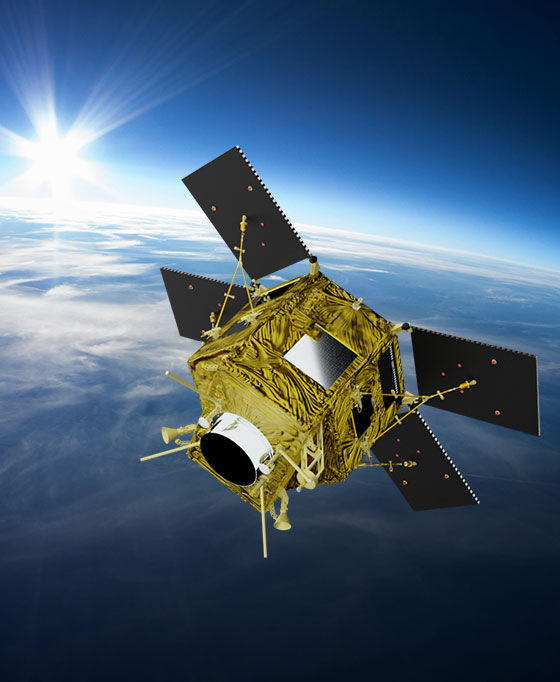
Singapore entered the commercial satellite market with TeLEOS-1, our first commercial Earth observation satellite, launched by India. Weighing roughly four times more than X-SAT, TeLEOS-1 captured high-resolution images of Earth for maritime security, disaster response, and other important applications.
The satellite was built at a facility in Ang Mo Kio by ST Engineering Satellite Systems. Its success gave the organisation, as well as the small and medium enterprises (SMEs) supporting the project, critical experience in manufacturing for space, paving the way for even more satellite launches in the years ahead.
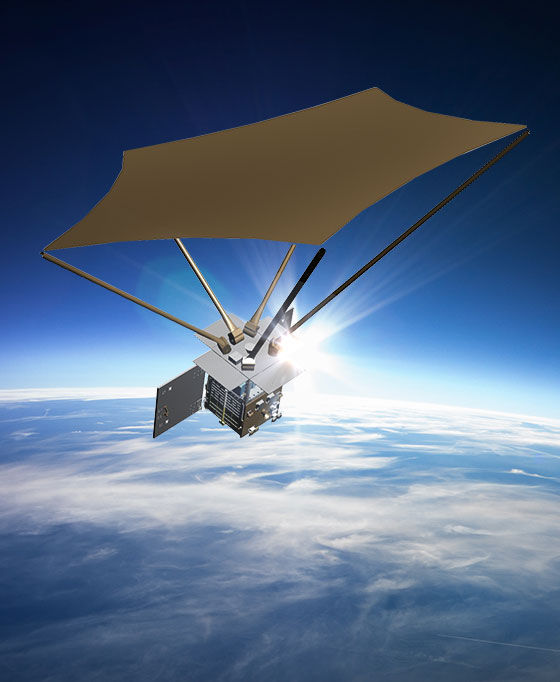
Led by OSTIn, Singapore committed more than S$200 million over five years to space research and development (R&D). At the same time, OSTIn went global by partnering with France, the UAE, and India on joint R&D projects, legal and policy exchanges, and linking commercial space ecosystems.
In the same period, Singapore launched over a dozen satellites – a significant increase in activity. Among these satellites was NeuSAR, a microsatellite that uses radio waves to generate images instead of relying on light from the sun; and TeLEOS-2, which came equipped with far more powerful imaging capabilities than its predecessor.
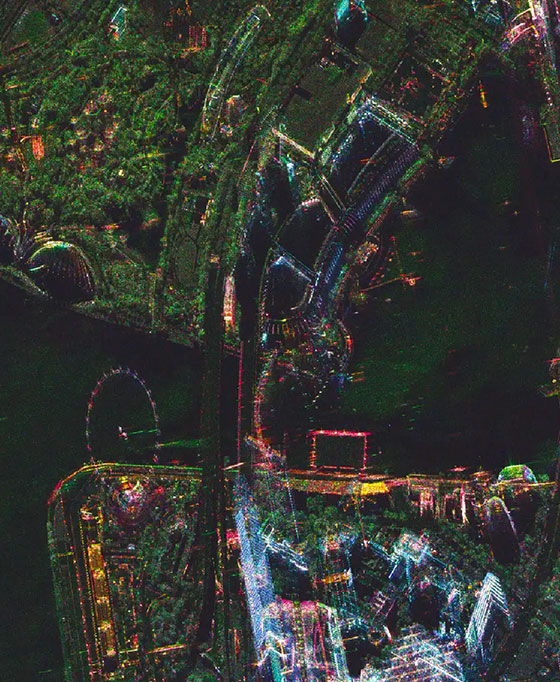
The National Space Agency of Singapore (NSAS) was launched at Singapore’s inaugural Space Summit.
More than a rebranding of OSTIn, NSAS takes Singapore’s space ambitions into new territory. Its new functions include:
Space can seem far removed from our daily lives, but the reality couldn’t be more different. GPS and navigation, weather forecasting, disaster response and global communications – all this and more would not be possible without technologies deployed in space.
Similarly, while Singapore may look like an unlikely player in space, we are arguably built for it. Our global leadership in sectors like aerospace, precision engineering, electronics and AI gives us a strong industrial foundation, while our decades-long experience developing and launching satellites gives us the confidence to dream bigger.
In many ways, the launch of NSAS is not a leap into the unknown – it’s a natural next step in our space odyssey.