




Government officials will never ask you to transfer money or disclose bank log-in details over a phone call.

Call the 24/7 ScamShield Helpline at 1799 if you are unsure if something is a scam.

SingaporeInc logo light
  • About

Making moves for the future

World map showing Singapore logistics routes Singapore flag Cargo plane Cargo truck Cargo ship
Intro

Making moves
for the future

JUN 24, 2026 | 10-MIN READ

Discover the innovations in Singapore's logistics industry that keep us at the forefront of smart and green logistics.

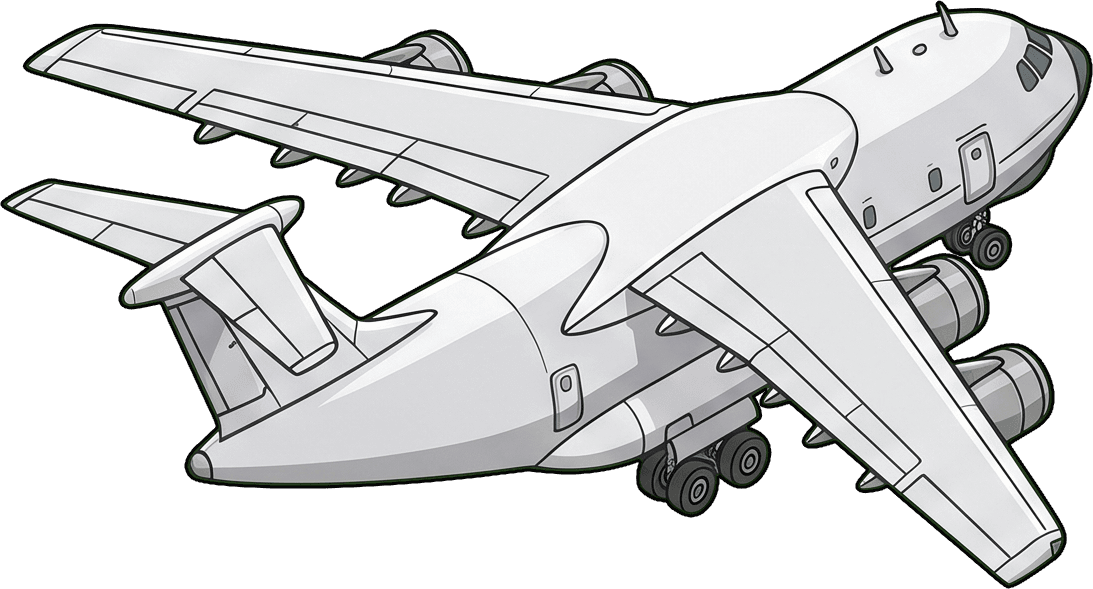
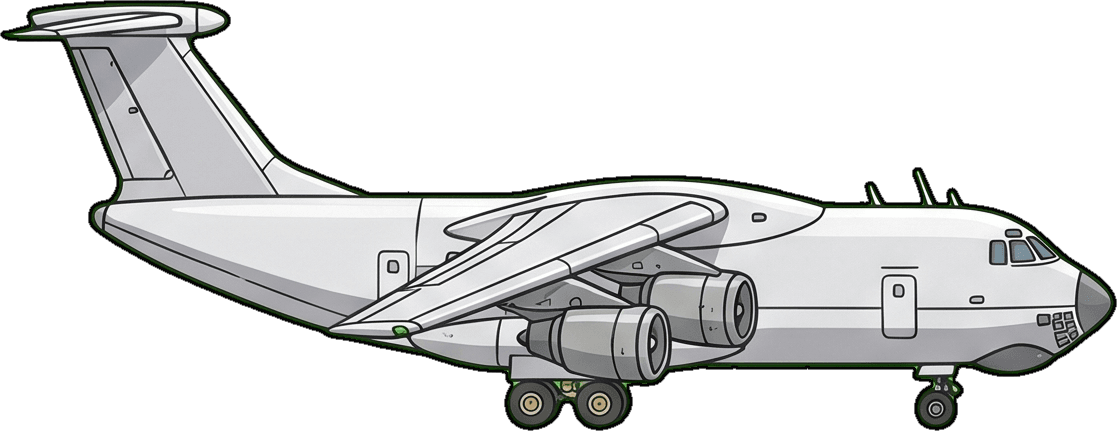
Cargo plane
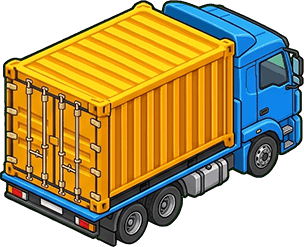
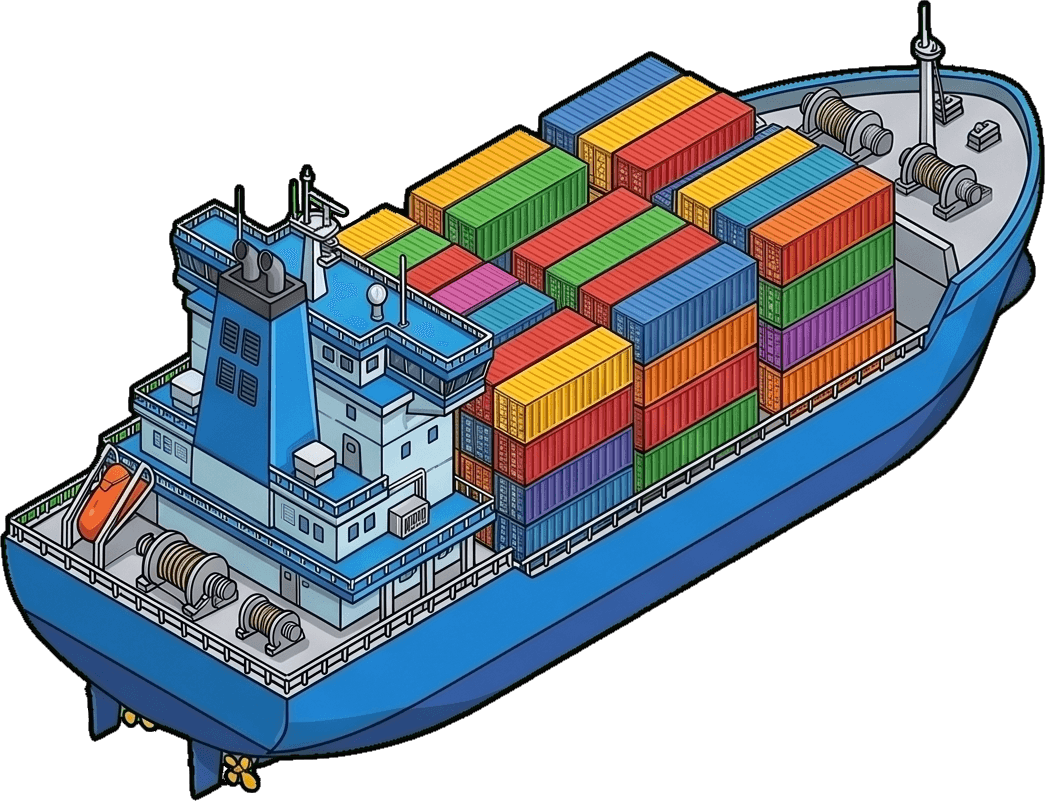
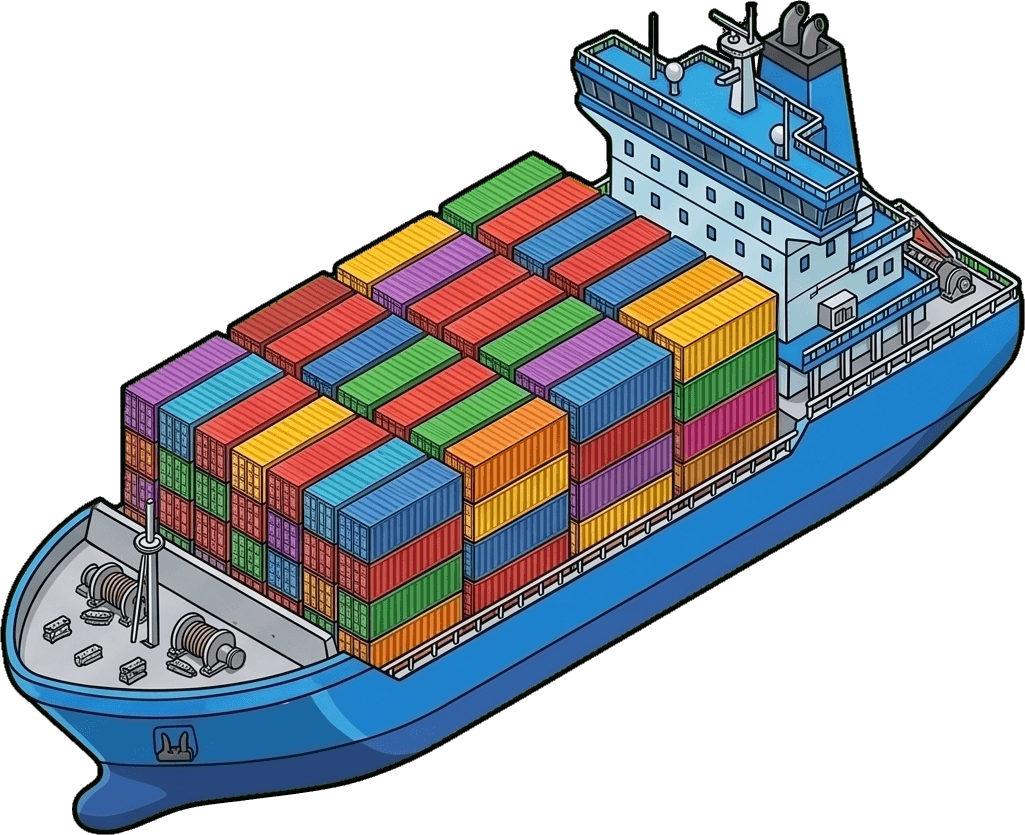
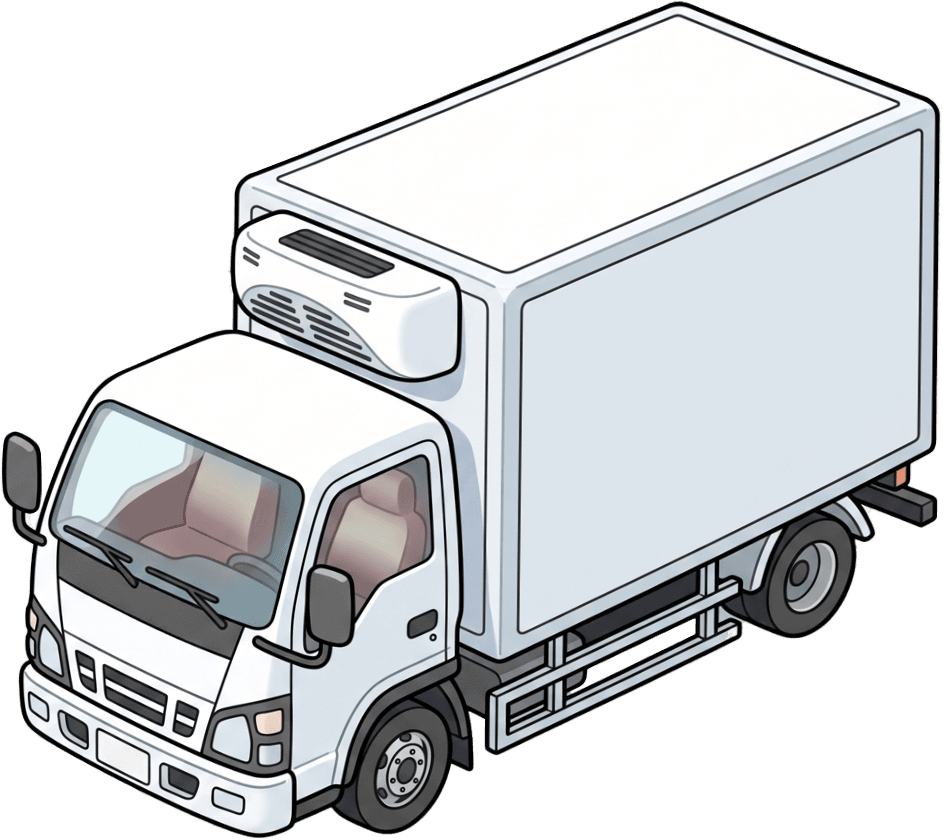
Cargo truck Cargo ship
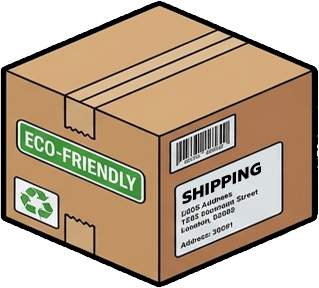
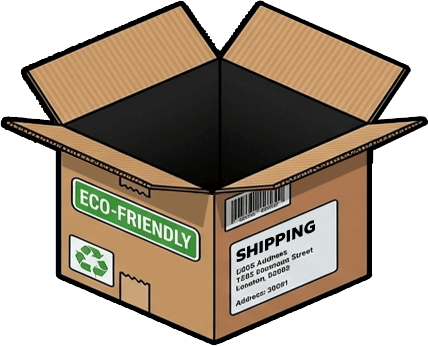
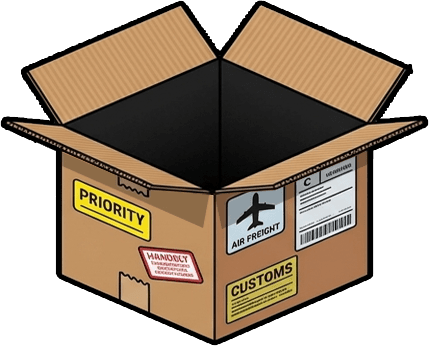
Closed box Open box
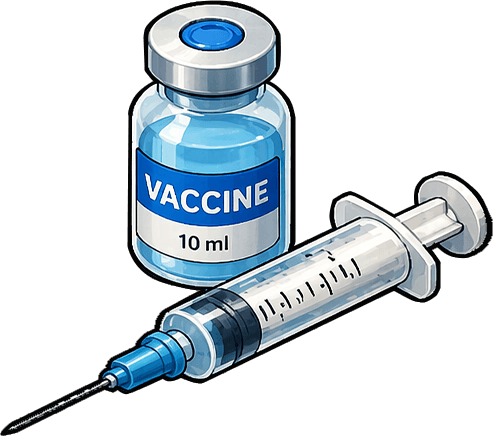
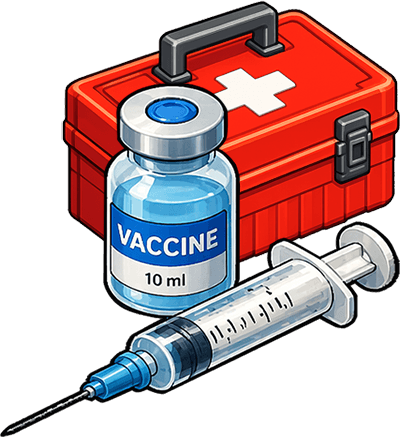
Time-Sensitive Vaccine
Closed box Open box
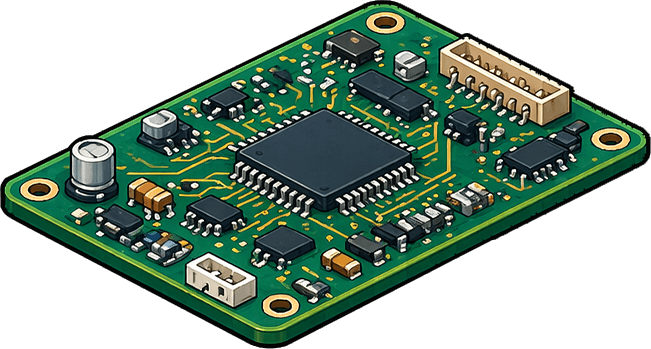
Delicate Circuit board
Closed box Open box
Perishable Salmon
Intro

A piece of circuitry.
The latest vaccines.
The freshest seafood.

These are just three examples of millions of items that pass through the Singapore logistics ecosystem every month.

And while most of us may never see what happens behind a port or warehouse, Singapore's logistics ecosystem shapes how reliably goods arrive, how businesses operate, and how we stay connected to global trade.

Future-proofing our logistics ecosystem

Cargo plane
#1
Logistics
Performance
Index
S$1.4T
Total merchandise trade
Intro

Future-proofing our
logistics ecosystem

Singapore is one of the world's most trusted trade
hubs. It ranks #1 on the Logistics Performance
Index by World Bank Group, and in 2025, our total
merchandise trade reached S$1.4 trillion.

More than ever, the goods that are moved through
Singapore are high-value, time-sensitive, and
delicate. From pharmaceuticals needing cold-chain
handling, to hair-thin circuitry, to machinery weighing
tonnes –
our ports, depots, and warehouses are
continuously improving their handling capabilities
for such goods.

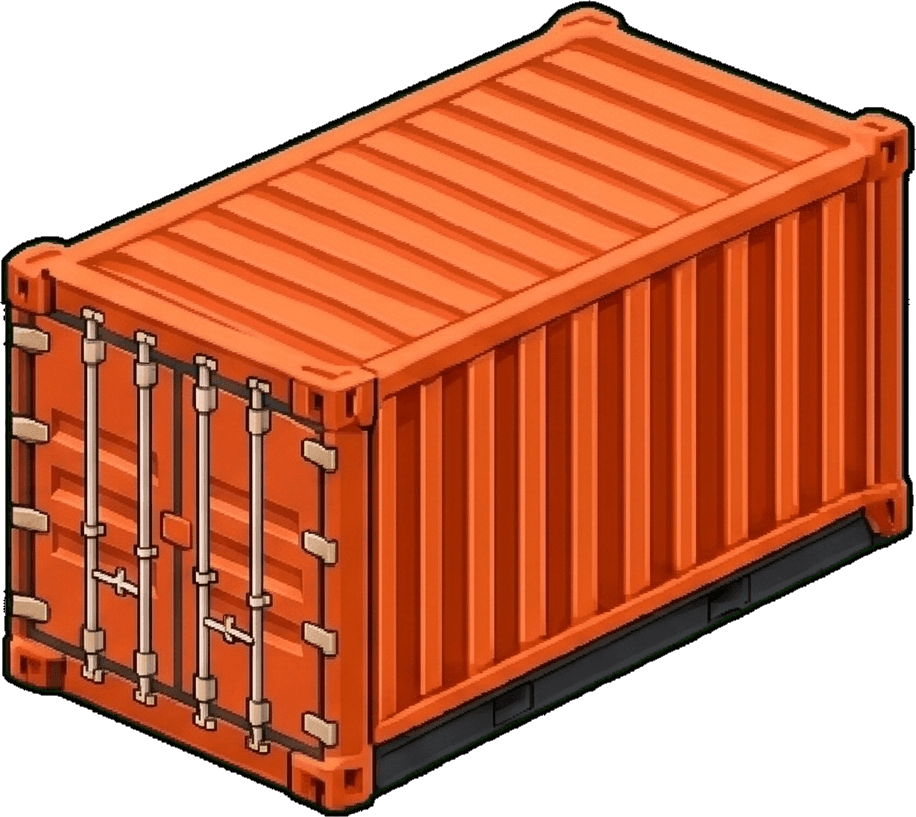
Cargo container

Here are three ways we're future-proofing our movement of goods.

Shift 1 Smarter Movement
Shift 2 Automation
Shift 3 Going Green

Shift 1: Smarter movement of containers

SHIFT 1
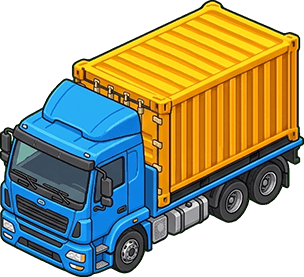
Container truck
Container truck 2
Container truck 3
Container truck 4
Singapore Port
Warehouse
Container Depot Container Depot Empty
Container Container Container Container

Smart Systems
of the Future

Supported by Enterprise
Singapore

The Container Tracking
System,
alongside other fleet management systems, helps hauliers track their vehicles.

Today, there are systems that integrate information across hauliers and trucks, enabling them to share delivery jobs.

Shift 1: Smarter Movement

Smarter movement
of containers

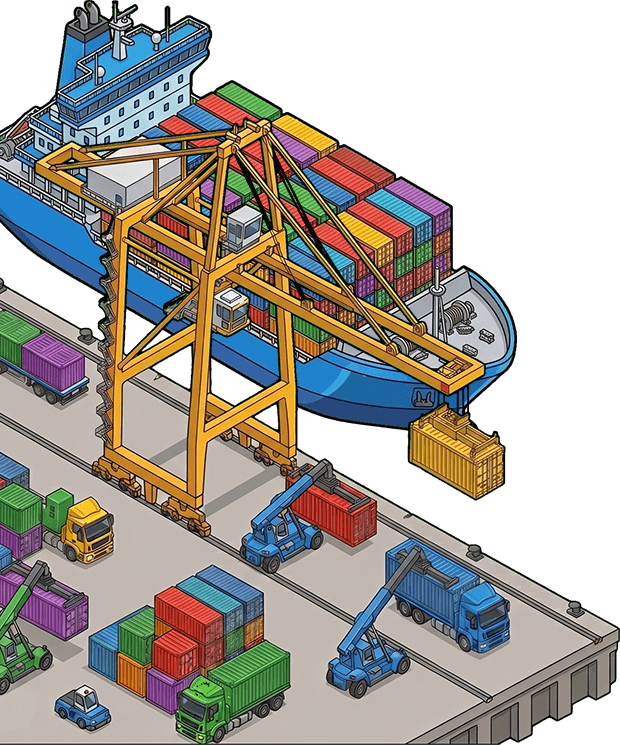
Large numbers of containers move in and
out of our ports daily. Keeping everything
running smoothly takes careful planning and coordination behind the scenes.

Singapore is enhancing how container
movements are planned and tracked through increased digitalisation and systems integration. This allows operators to share delivery jobs, reduce unnecessary trips to and from the port, and ensure goods move efficiently and sustainably across the supply chain.

Shift 1: Smarter Movement

Innovating for
tomorrow

Looking ahead, Singapore will build a more integrated data ecosystem for container movements, enabling full visibility of container flows across all nodes. This would also leverage AI and other digital solutions to optimise scheduling, job allocation, and routing in response to real-time conditions, making logistics operations smoother and more efficient overall.

Shift 1: Smarter Movement

Not every shipment
has the same
requirements

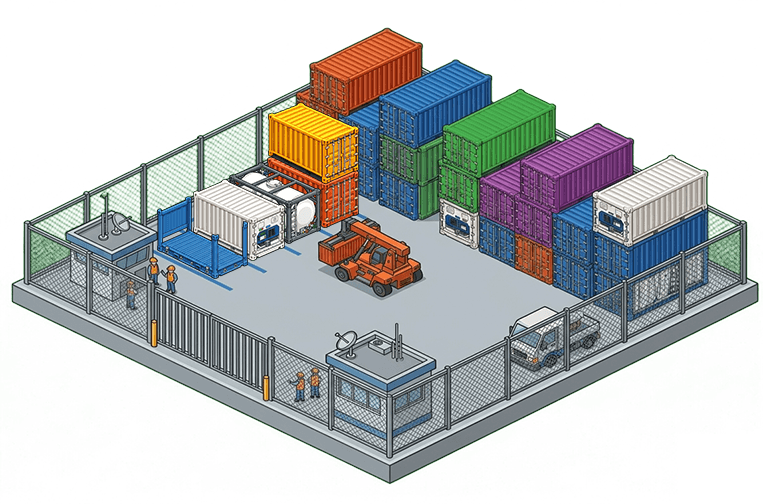
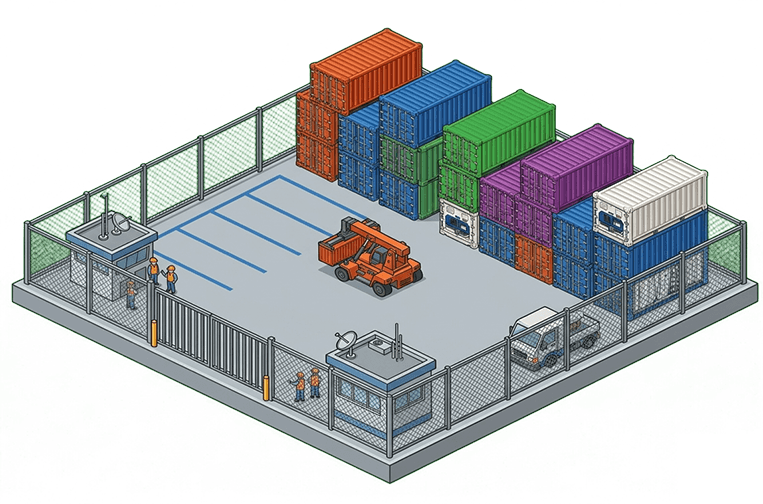
Some goods need special handling, precise timing, or controlled conditions to stay safe and in good condition. Having different types of containers ensures we can handle these varied needs efficiently and move all types of cargo across the island and around the world with care and precision.

Different Types
of Containers

Container truck
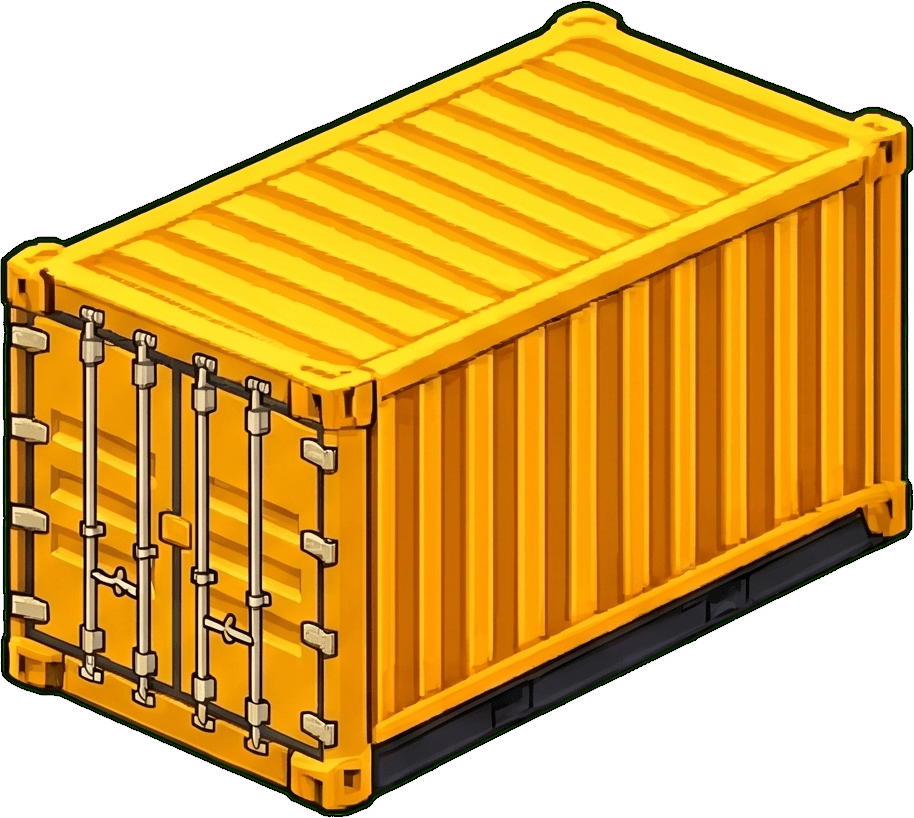
Dry shipping container (yellow)
Dry shipping container (orange)

Dry Container

Time-critical goods

Time-critical goods

like vaccines, emergency relief supplies, and essential machinery parts

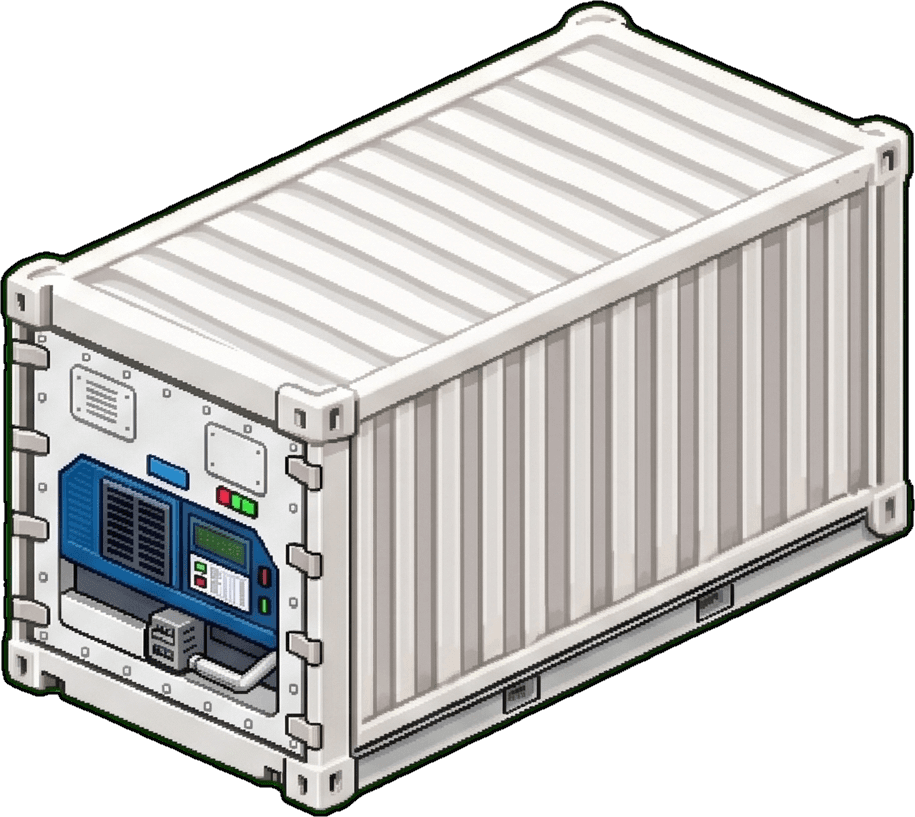
Refrigerated container

Refrigerated

Temperature-sensitive goods

Temperature-sensitive goods

such as perishables and produce that require cold-chain capabilities

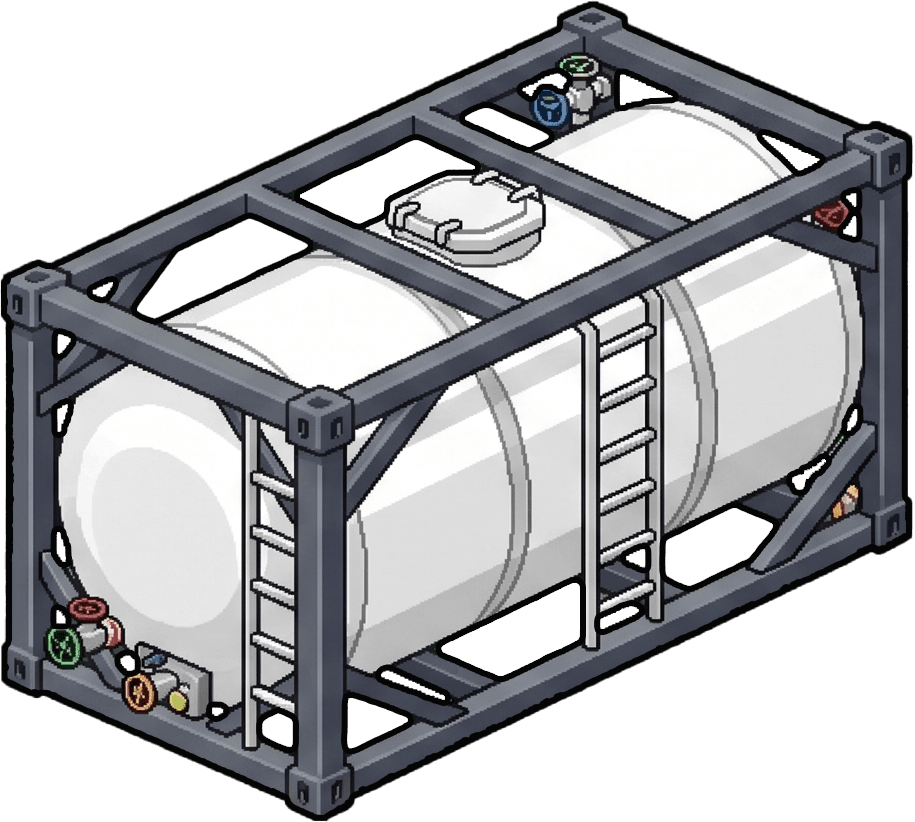
Tank container

Tank Container

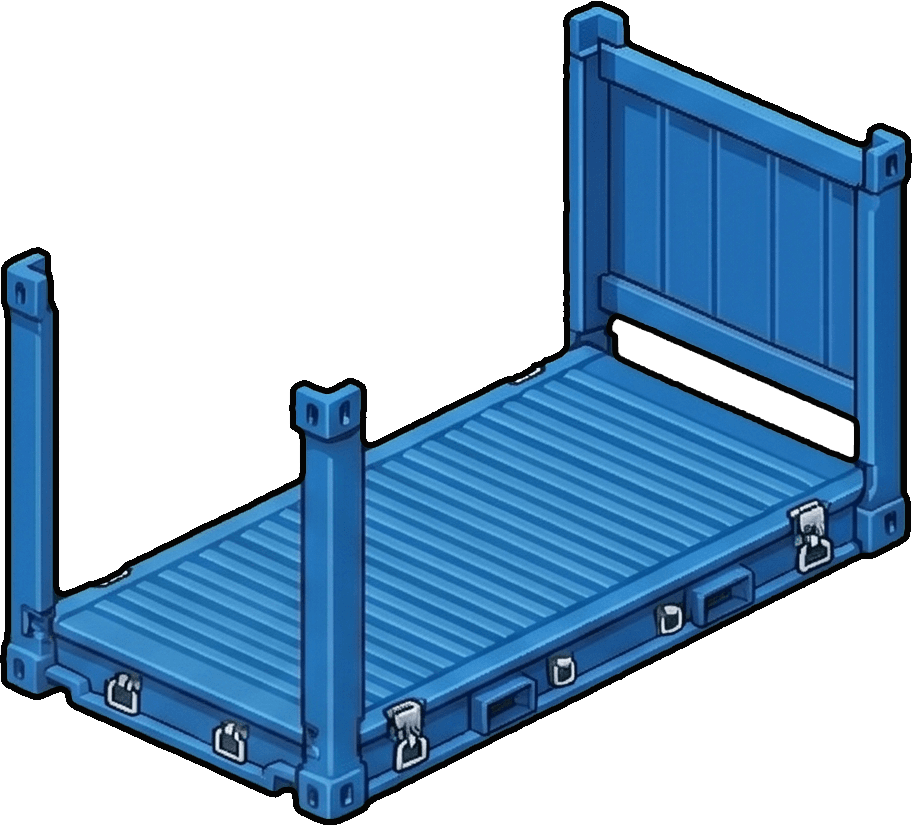
Flat rack container

Flat Rack

Vibration sensitive goods

Vibration-sensitive goods

like chemicals, semiconductor manufacturing equipment, and medical equipment

Shift 2: Automation of warehouses and depots

SHIFT 2
Shift 2: Automation

Automation of warehouses and depots

Transporting containers is only part of the ecosystem. Our warehouses and depots are also continuously improving how goods are stored and retrieved through automation.
This optimises land and manpower utilisation, operating efficiency, and safety.

Scroll on to see some examples of automation around the island.

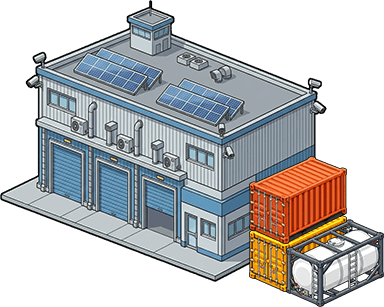
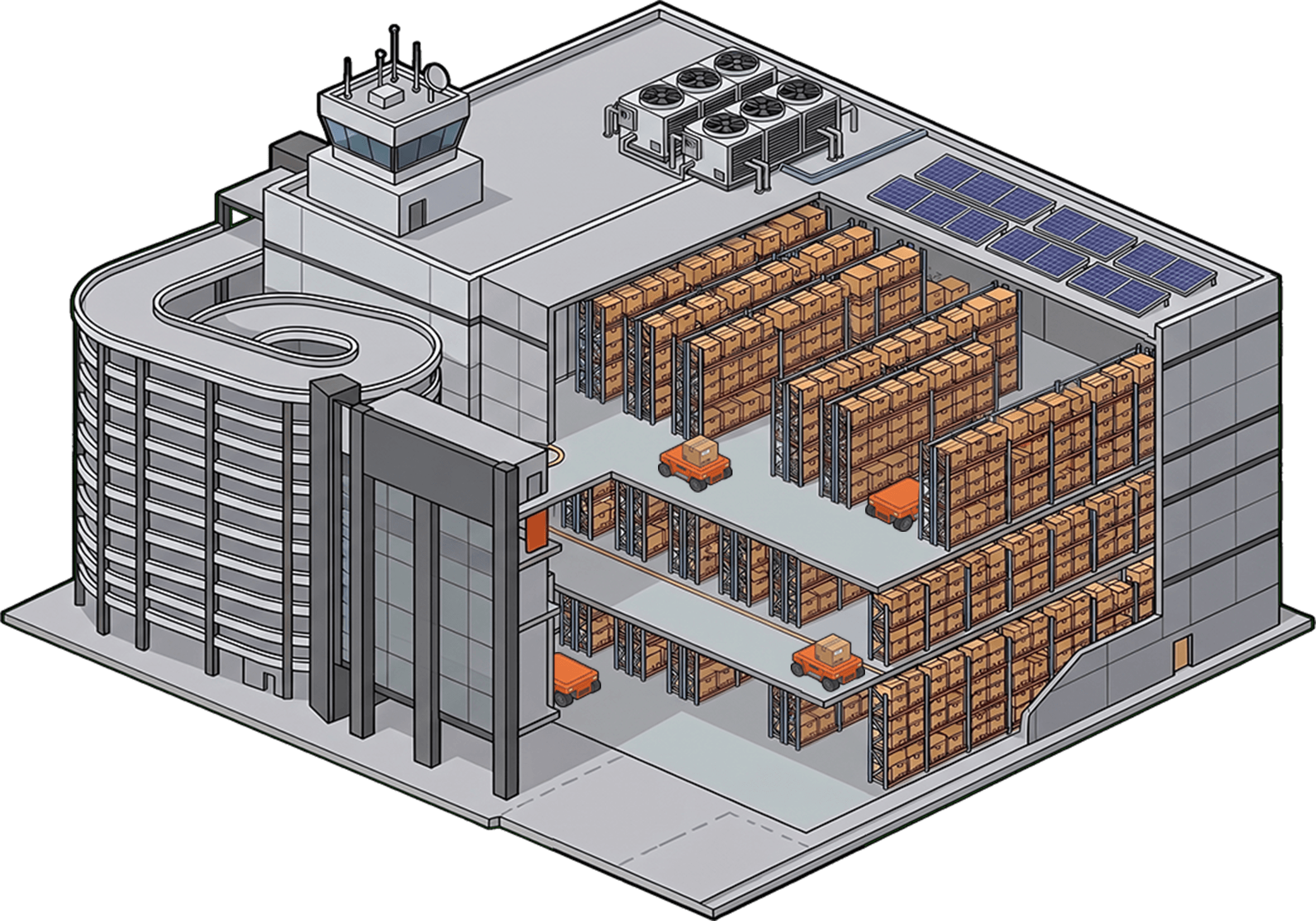
Warehouse
ESR Multi-storey Warehouse

ESR, a real asset
investment group,
is developing a multi-
storey warehouse and
automated container
depot in one facility.

Designed with Allied Container, a homegrown container depot operator, the facility leverages an automated container storage and retrieval system to store shipping containers more efficiently. This is expected to realise 67% savings in land utilisation, improve operating efficiency by 30%, and reduce turnaround time by truckers by over 66%.

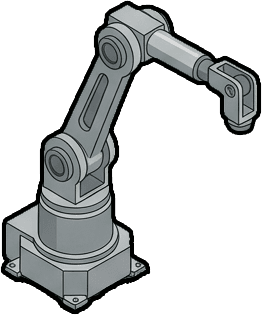
Robotic Arm
Robotic Arm
Robotic Arm
Transfer box Transfer box Transfer box
Storage box Storage box Storage box

Logistics company Katoen Natie is investing in a fully automated storage and retrieval system at Jurong Island,

designed to enhance
storage density and boost
its storage capacity by
more than 20%.

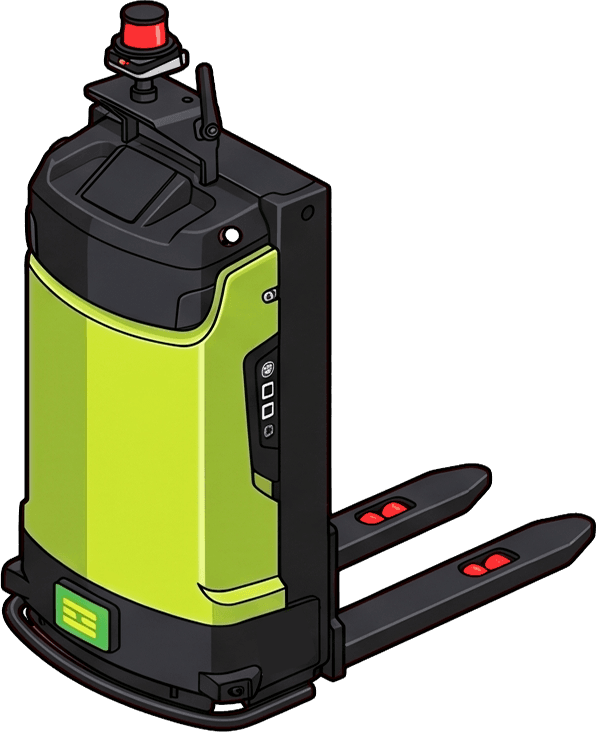
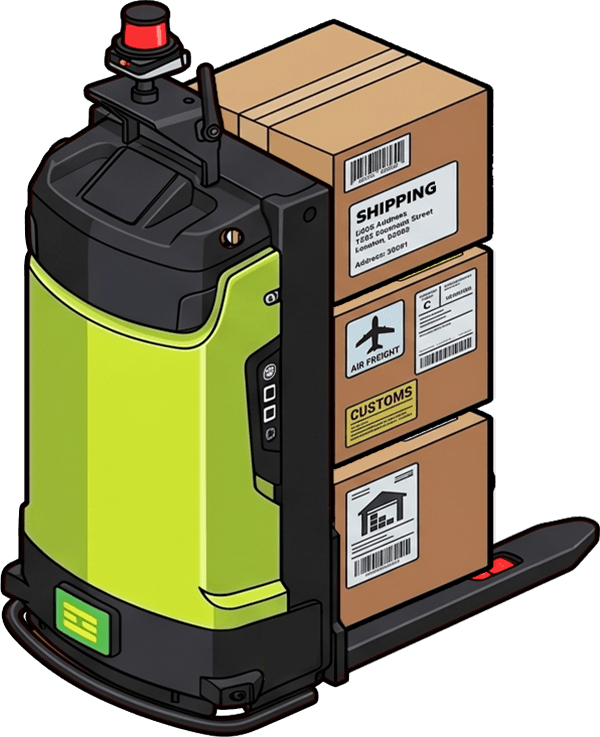
Empty autonomous forklift Autonomous forklift with boxes
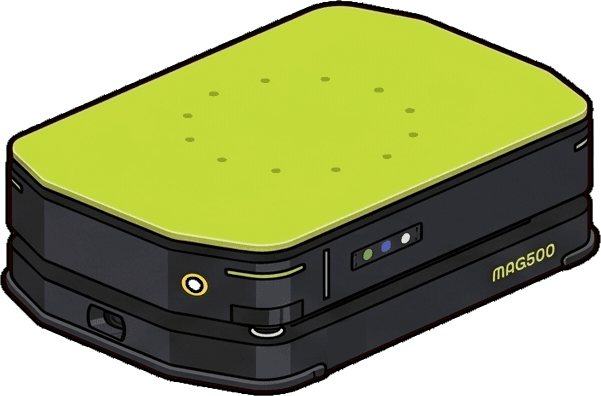
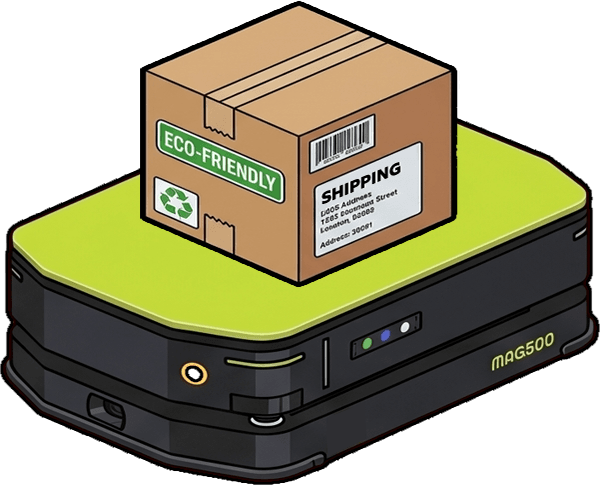
Empty MAG500 MAG500 autonomous robot
Shipping box
Shipping box Shipping box Shipping box

Autonomous
mobile robots

are integrated into the warehouse workflows for tasks like pallet lifting and towing of heavy goods to improve efficiency and safety.

Shift 3: Greener logistics

SHIFT 3
Shift 3: Going Green

Greener logistics

Having a sustainable supply chain is no longer just a "good-to-have" for logistics companies. It has become an essential pillar in every business strategy for long-term resilience and growth.

With the global logistics industry accounting for 11% of the world's emissions, the logistics industry is working closely to decarbonise the industry with green initiatives and innovations, so that it remains a world-class trade and logistics hub.

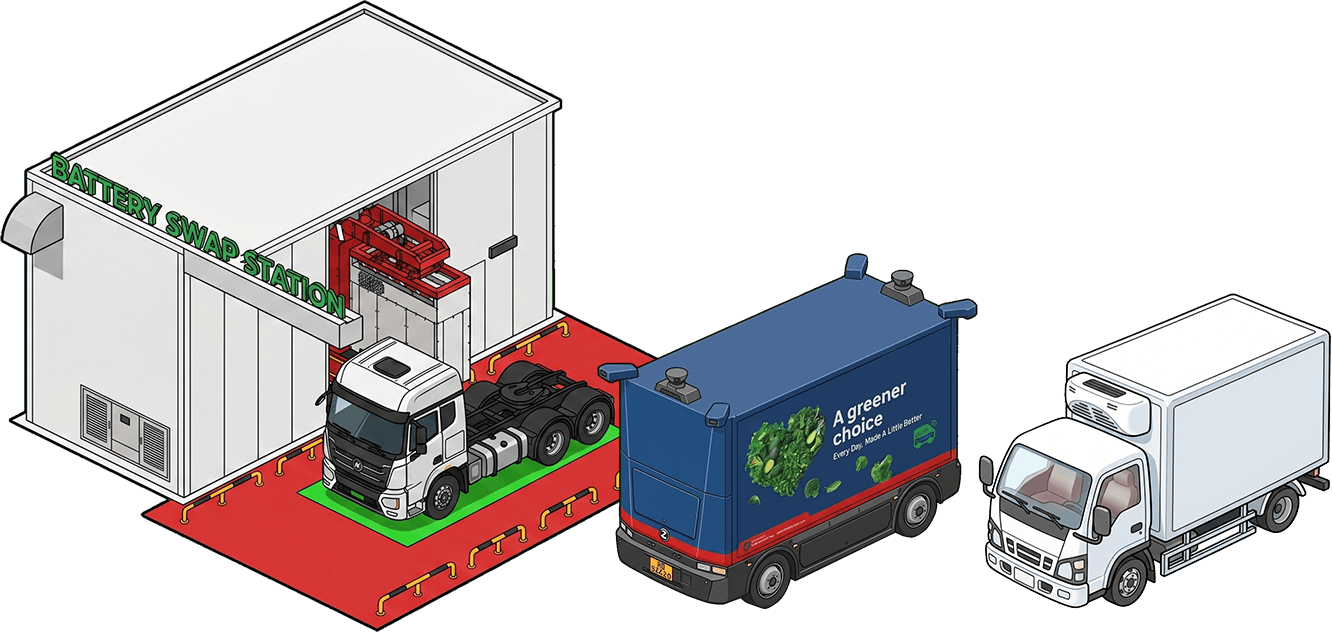
Battery Swap Station

The Little Red Dot’s

Big Green Initiatives in Logistics

FairPrice Group

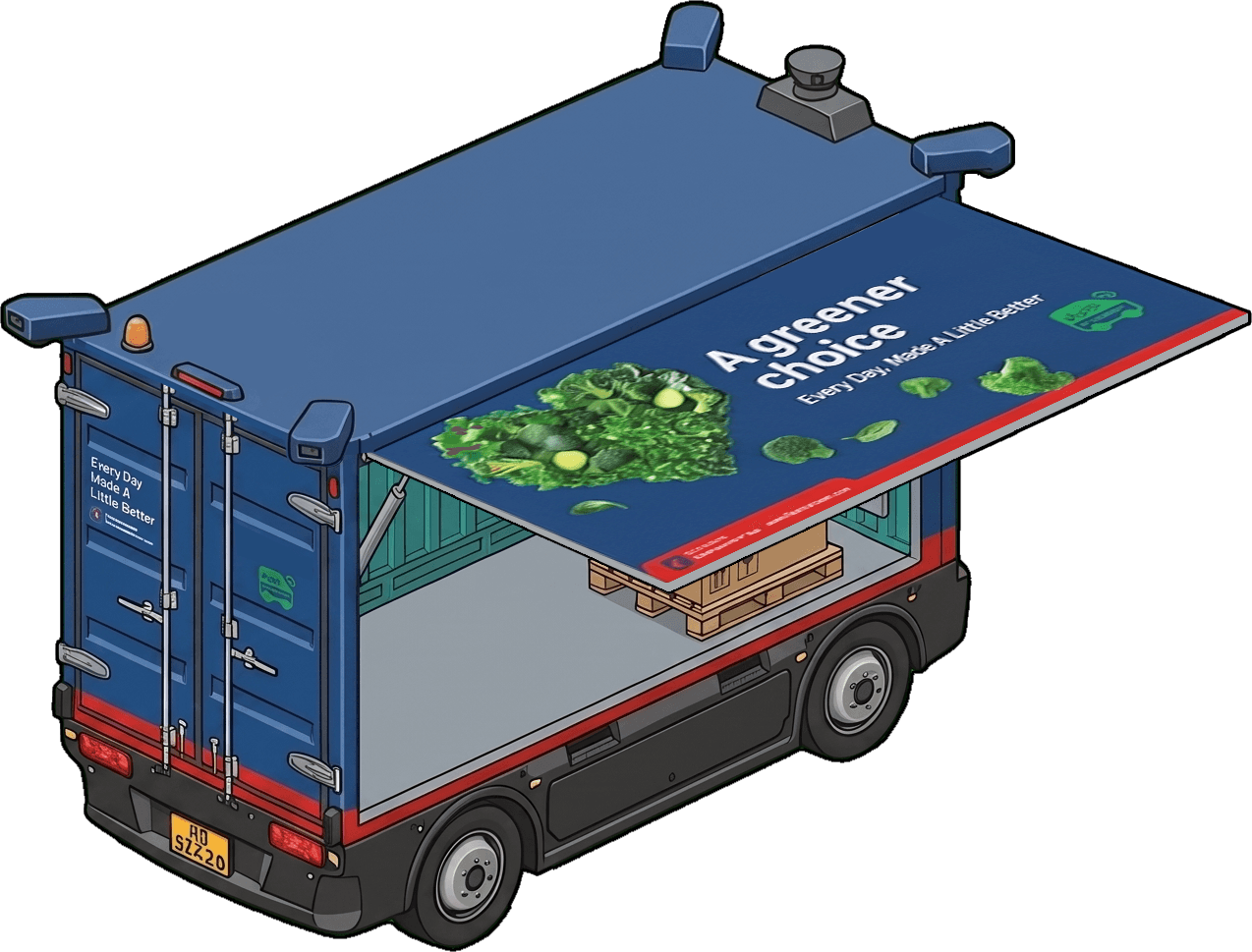
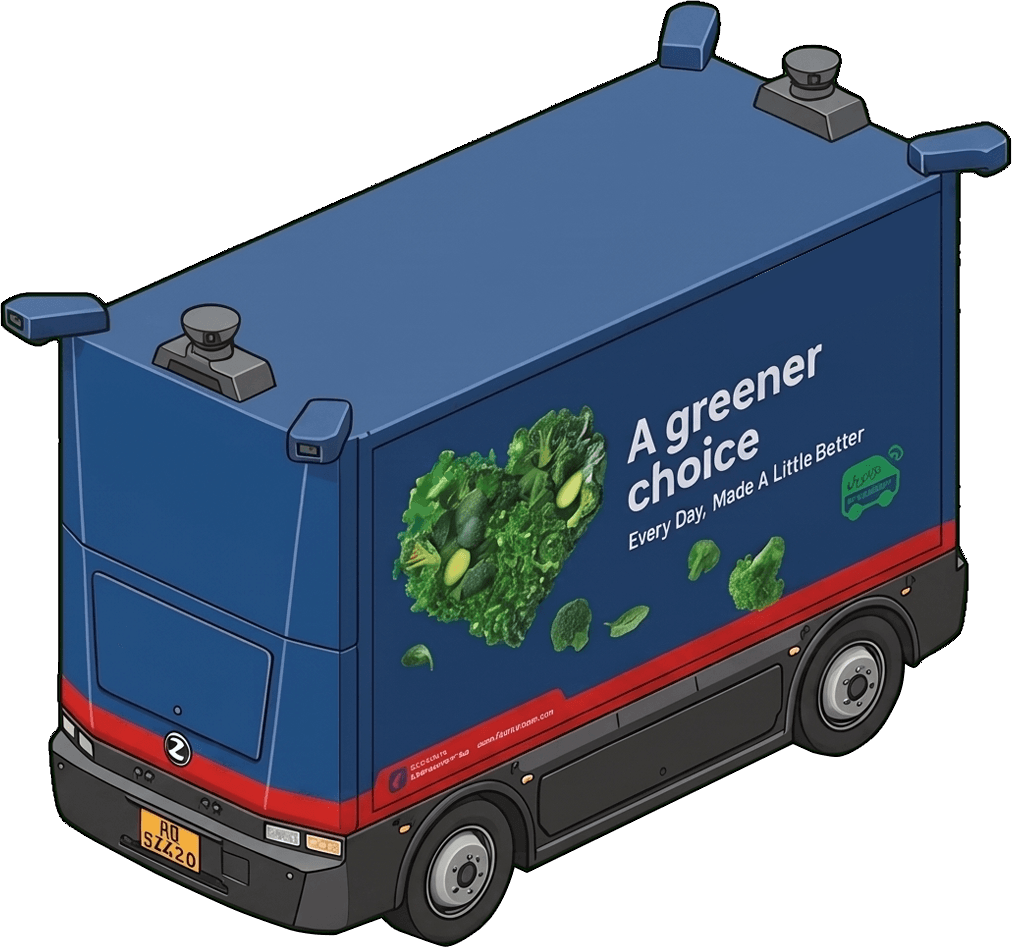
began using a fully driverless autonomous
vehicle (AV), remotely supervised, on public
roads for its supply chain operations.
This is expected to lower its carbon dioxide
emissions by 27 tonnes per year.
The vehicles will also reduce time spent
on manual tasks, such as loading and
unloading, and support its workers to perform more complex work.

FairPrice autonomous vehicle side
FairPrice autonomous vehicle front

The Little Red Dot’s

Big Green Initiatives in Logistics

EcoSwift,

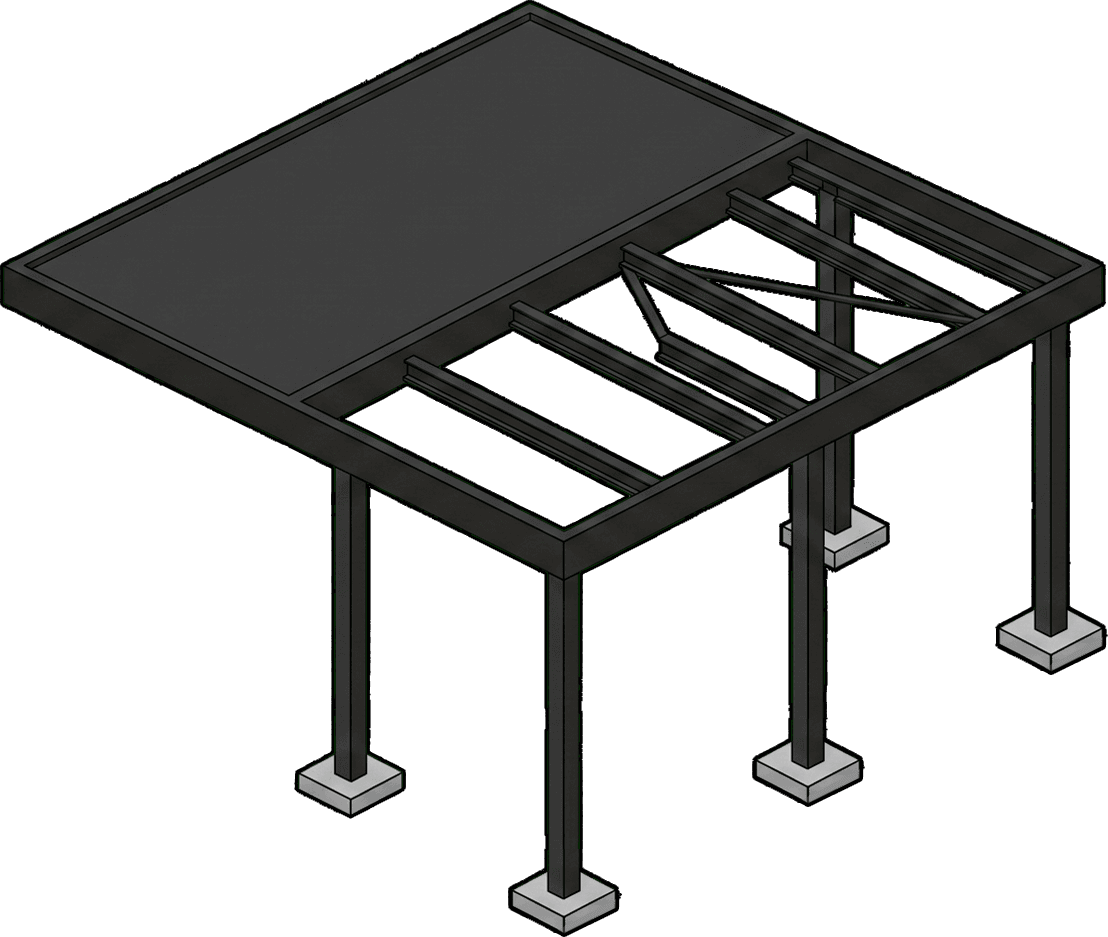
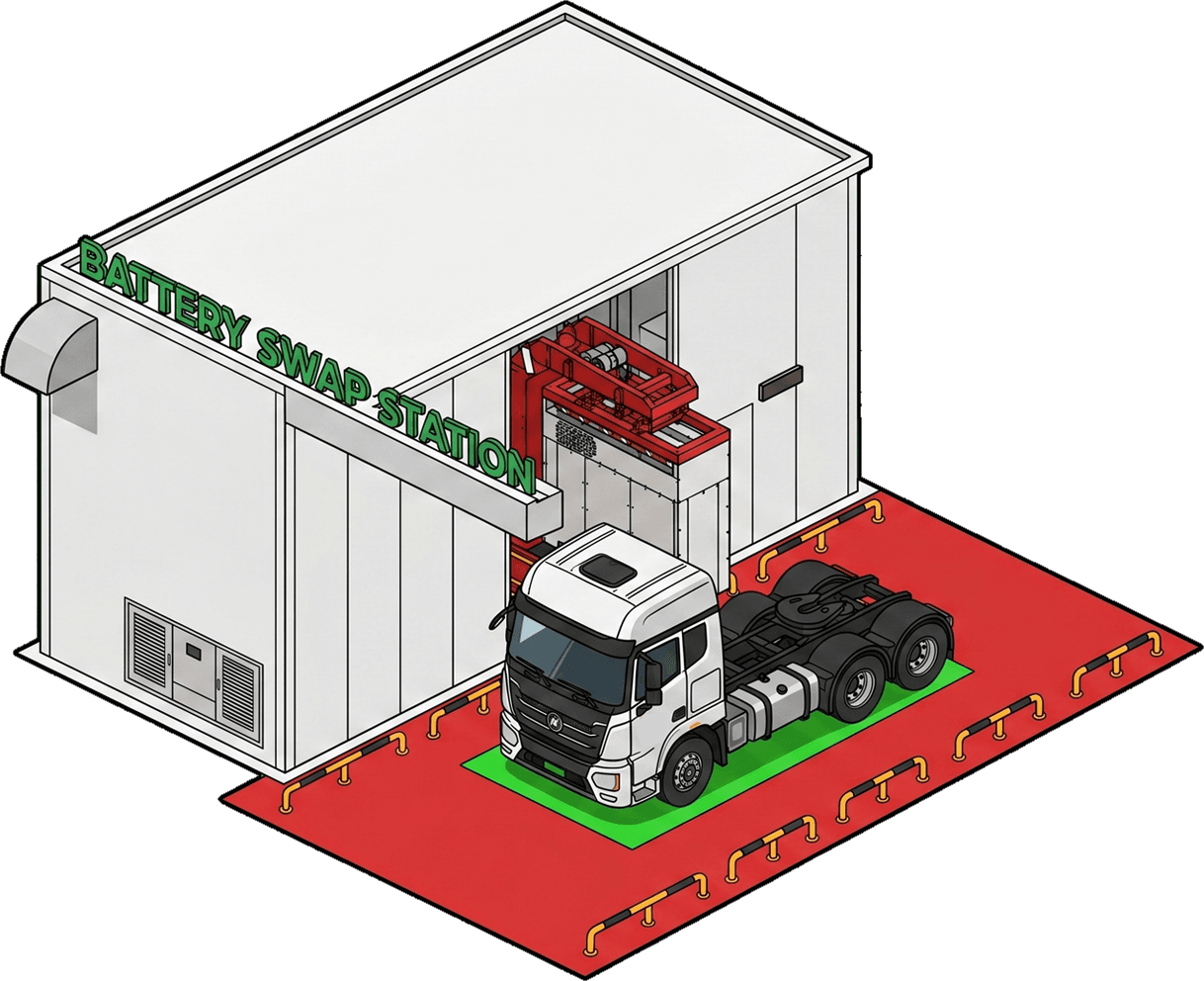
an electric commercial vehicle distributor, launched a fully automated Battery Charge and Swap system which allows electric heavy commercial vehicles to replace depleted batteries with fully charged ones
in five minutes, compared to hours of conventional charging. The station also uses less land than conventional high-speed chargers to serve the same number of electric trucks within the same time.

EcoSwift Battery Swap Station with roof
EcoSwift Battery Swap Station open

The Little Red Dot’s

Big Green Initiatives in Logistics

RedLion2,

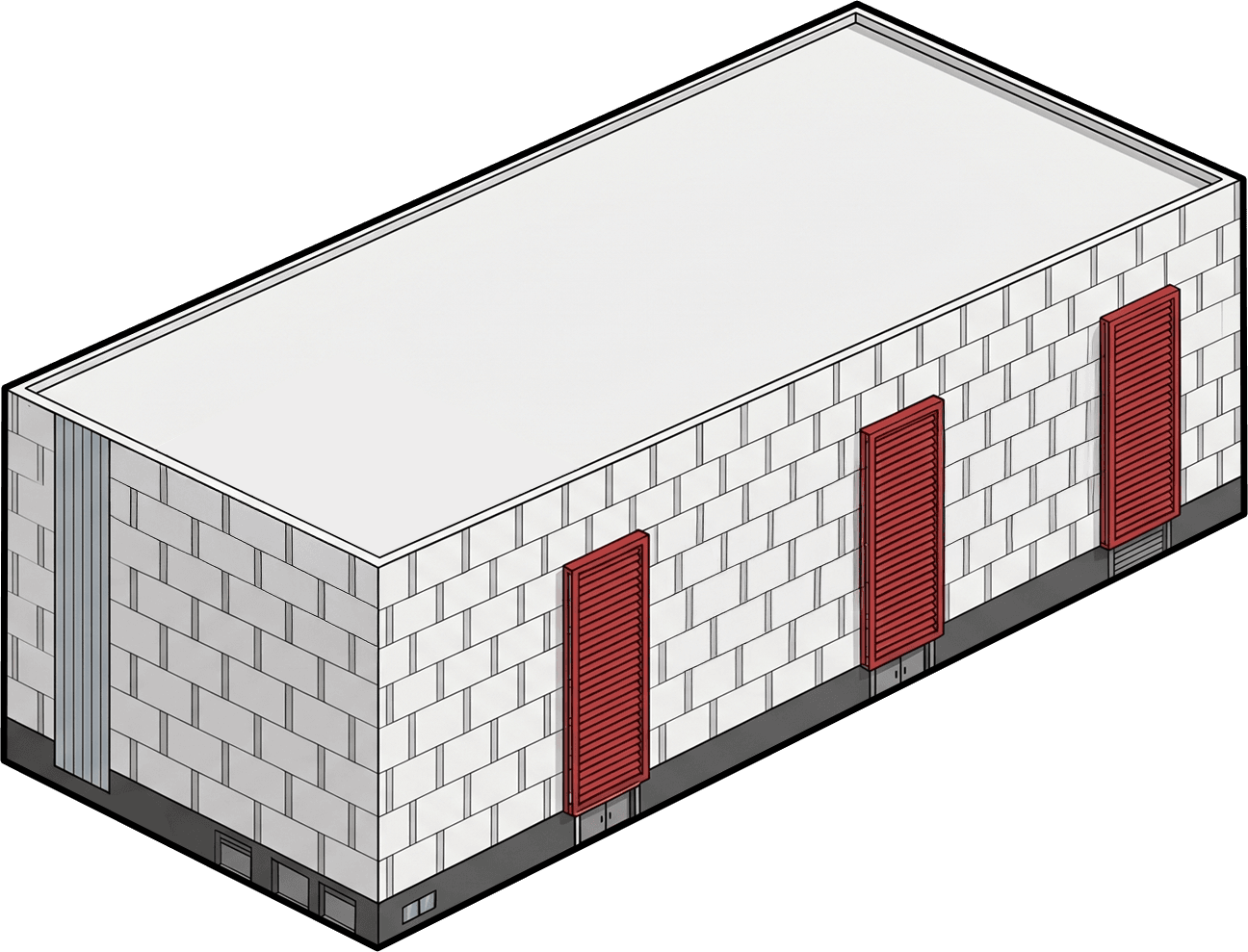
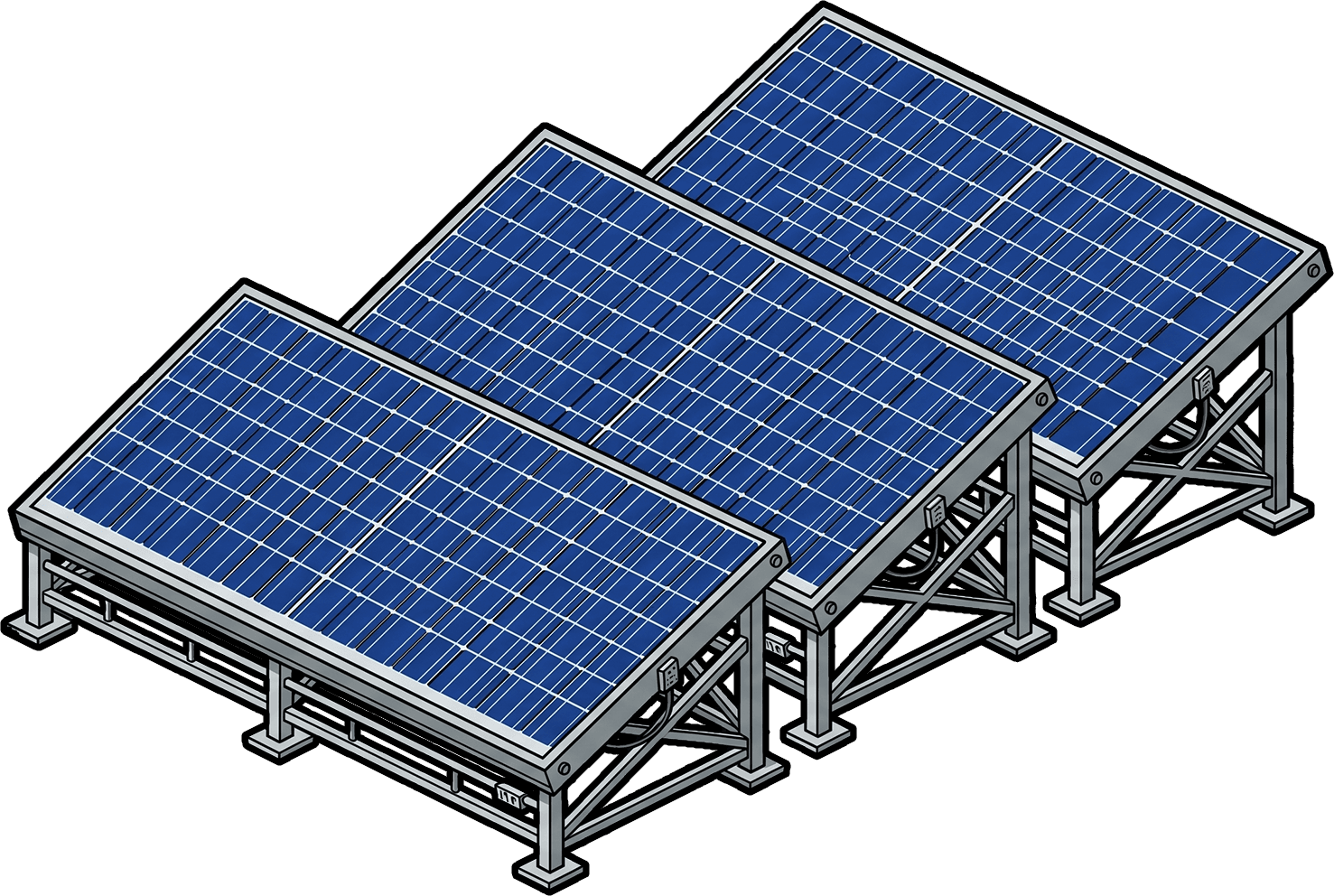
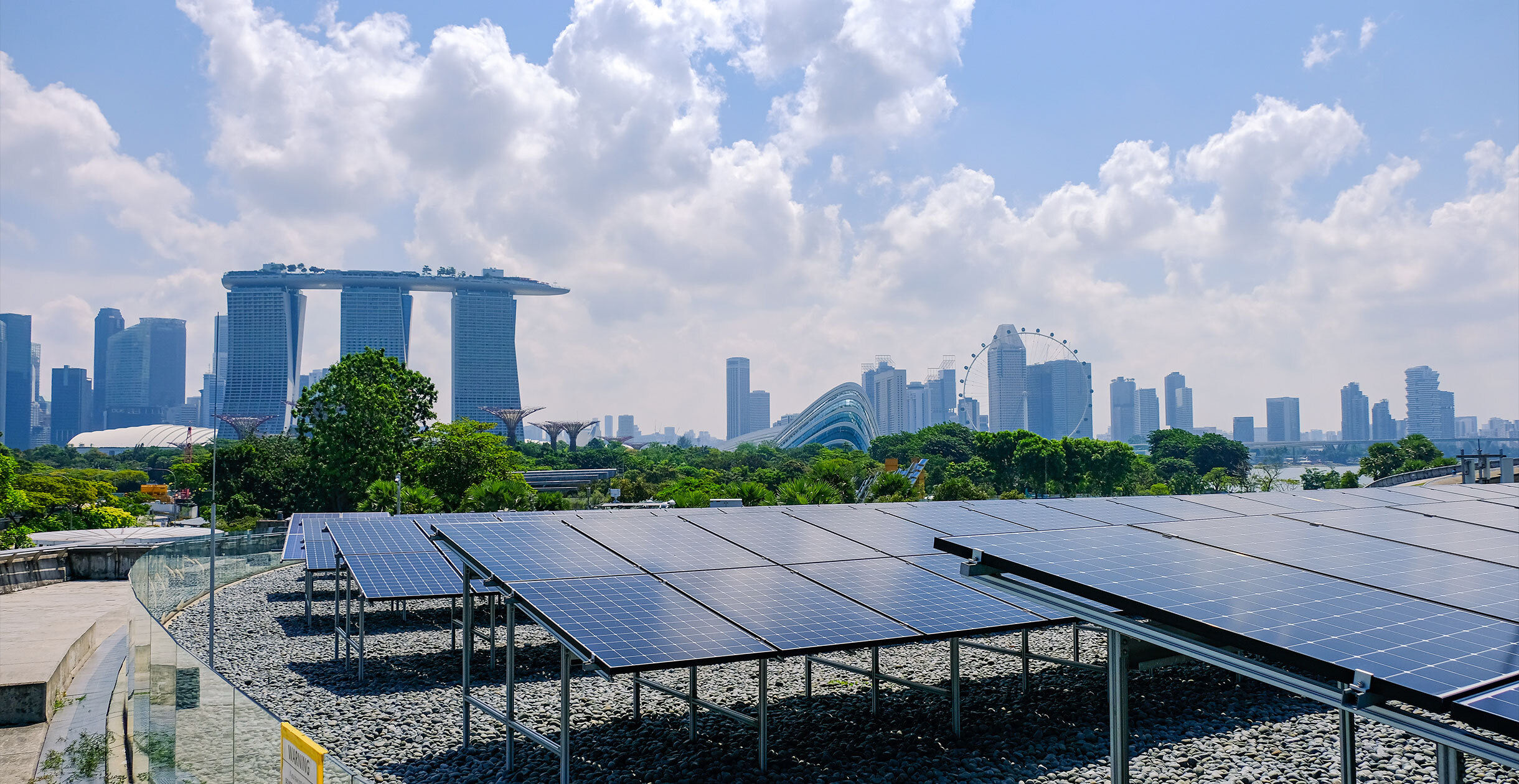
a smart and sustainable logistics facility at Tampines LogisPark, is Singapore's largest solar-powered logistics hub. Measuring a whopping 1.2 million square feet, the facility is able to produce 15% more energy than it consumes.

RedLion2 logistics facility
Solar panels

100%

Campus Energy
Consumption

115%

Campus Energy
Generation

The Little Red Dot’s

Big Green Initiatives in Logistics

Commonwealth
Kokubu Logistics

has adopted ammonia-based refrigeration for 80% of its cold-chain operations. Using ammonia as a refrigerant is a more efficient and environmentally friendly option that does not contribute to global warming.

Commonwealth Kokubu container
Commonwealth Kokubu truck
Ammonia molecules

Ammonia as refrigerant

  • ✓ Environmentally-friendlier than hydrofluorocarbons (HFCs)
  • ✓ More efficient heat extractions
  • ✓ Ozone depletion potential: 0

Asia's trade backbone,
Singapore's strength

Today, moving goods from point A to point B is
faster, smarter and greener than ever before.

So the next time you eagerly unbox a parcel
that arrived safely and on time, remember the
vast ecosystem of people, technology and
infrastructure working seamlessly behind the scenes to make it possible.

Hand cream product
Delivery door
Open delivery box
Closed delivery box

Asia's trade backbone, Singapore's strength

More from Singapore Inc

Explore All
These students became startup founders in 8 weeks. Here’s what they learnt

These students became startup founders in 8 weeks. Here’s what they learnt

JUN 29, 2026 | 7-MIN READ

Powering ahead: Singapore’s path to cleaner energy

Powering ahead: Singapore’s path to cleaner energy

JAN 21, 2026 | 5-MIN READ

Bet you didn’t know these 3 brands were born in Singapore

Bet you didn’t know these 3 brands were born in Singapore

FEB 20, 2026 | 5-MIN READ

SingaporeInc logo dark
Passion Made Possible logo
Report Vulnerability Privacy Statement Terms of Use Contact Feedback

© 2026, Government of Singapore. Last Updated 06 Jul 2026.

Loading...
Facebook X (Twitter) LinkedIn
Share